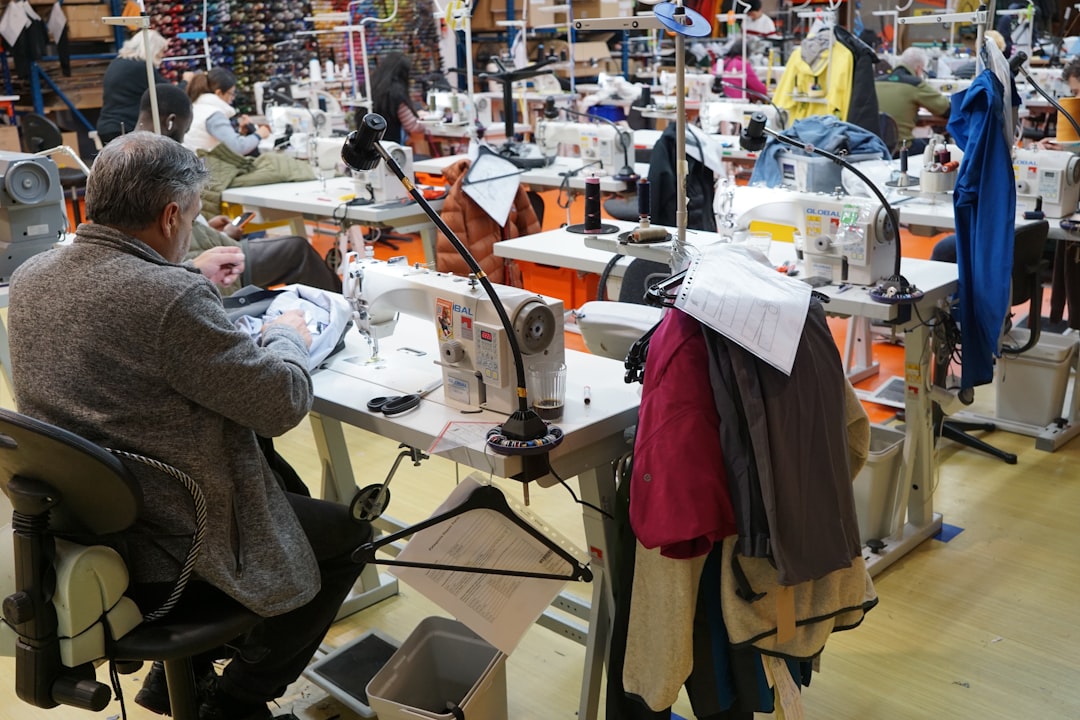

How to Start a Tailoring Business in 2026: Step-by-Step Guide
A practical sequence for opening a tailor shop in 2026: niche, tools, pricing, first orders, and the paperwork you should not skip.
From the atelier
Articles in Getting Started.
A practical sequence for opening a tailor shop in 2026: niche, tools, pricing, first orders, and the paperwork you should not skip.
Home-based tailoring can work if you set boundaries, intake rules, and a clean production corner before the first customer walks in.
Tailoring can be profitable when you price labor honestly, control remakes, and stop treating advances like free cash.
Alterations, bespoke, and bulk uniforms are different businesses. Choose the model that matches your skills, cash cycle, and patience for fittings.
Capital depends on lease, machines, and how many idle months you can fund—not on a single “magic number” you saw online.
Shopfront, boutique, and online-first tailoring need different skills. Match the model to how you sell, fit, and deliver—not to what looks trendy.
New tailor shops do not need a huge ad budget. They need a complete Google profile, proof on Instagram, and WhatsApp habits that convert chats into deposits.
First-time tailor owners usually stumble on promises, pricing, and paper chaos—not on sewing skill. Fix these early.