
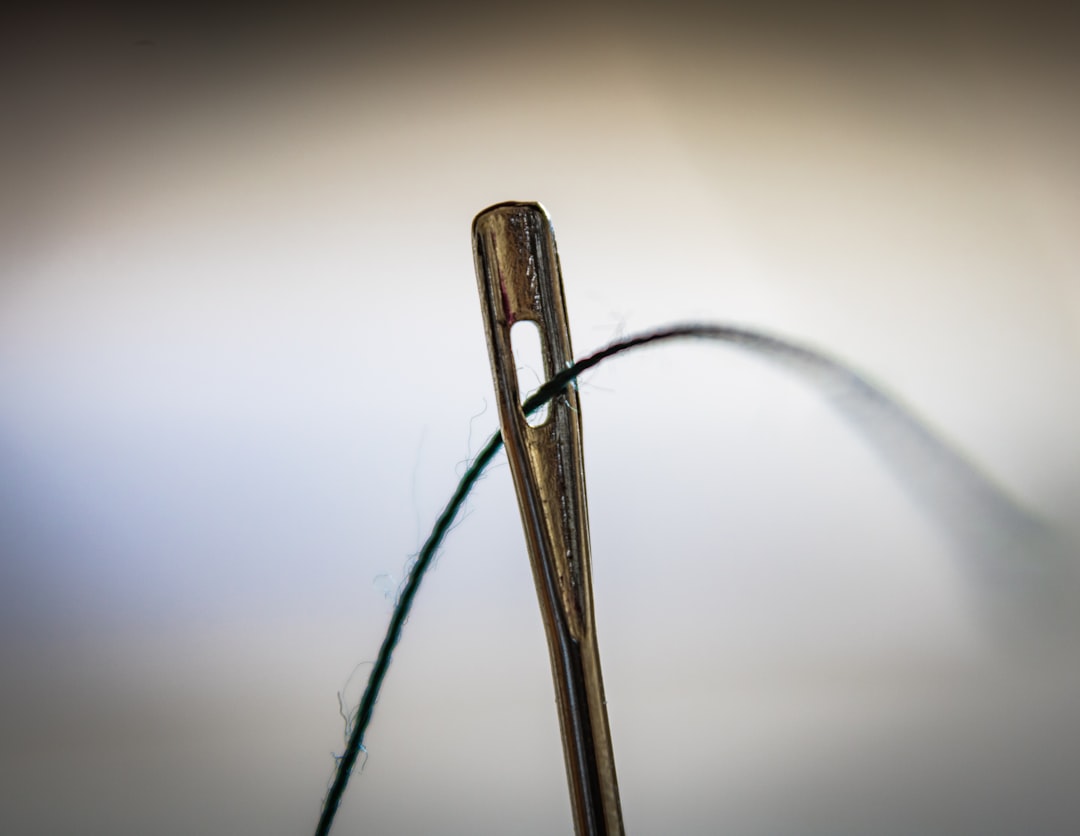
The landscape of the tailoring and alteration services market is currently experiencing a significant shift, with a projected CAGR of 4.5% globally. In the UAE, this growth is manifesting through a distinct preference for the "Slow Craft" movement. As we look into 2026, the Trends & Craft tailor shop UAE market is no longer just about quick fixes; it is about the mindful, seasonal, and highly personal journey of garment creation.
The Rise of Mindful Tailoring
Recent research into 2026 trends suggests that UAE consumers are placing higher value on the process itself rather than just the finished product. This "mindful tailoring" approach mirrors a broader global shift toward sustainability and intentionality. Local establishments, such as K Trend Tailoring in Dubai and Stylish Handy Tailors in Meydan, are already setting the standard by focusing on high-quality, custom-made clothing that tells a story.
For a modern tailor shop, this means shifting the consultation from a simple measurement session to a collaborative design experience. Customers are increasingly interested in the provenance of their fabrics and the specific techniques used by the artisan.
Seasonal Handmade Trends
In 2026, demand for handmade elements in the UAE is expected to shift with the seasons rather than remaining flat throughout the year. This seasonal fluidity allows tailor shops to offer limited-run design elements, such as:
- Intricate Embroidery: Hand-stitched patterns that reflect regional heritage or modern geometry.
- Artisanal Finishes: Hand-rolled hems and silk-lined pockets that distinguish bespoke work from mass-produced garments.
- Sustainable Re-purposing: Using vintage fabrics or family heirlooms to create new, modern silhouettes.
Balancing Heritage Craft with Business Efficiency
While the focus is on the "slow" aspect of the craft, the business side must remain agile. Leading brands like Men’s Wearhouse and Indochino have shown that even large-scale operations must maintain a high level of personalization. For independent UAE shops, the challenge lies in managing these time-intensive requests without losing track of orders.
The value in 2026 lies in the slower process, but the operational execution must be flawless. Integrating technology to handle the administrative load—such as client preferences, fabric tracking, and seasonal inventory—allows the tailor to focus entirely on the artisan work that customers are now willing to wait for.
The Future of Bespoke in the UAE
As the market continues to evolve, the most successful shops will be those that treat tailoring as a form of art rather than a mere service. By embracing the slow craft movement and focusing on the mindful creation of garments, UAE tailor shops can capitalize on the growing demand for authenticity and high-quality handmade fashion in 2026.