
The tailoring landscape in the United Arab Emirates is undergoing a significant transformation. As the UAE luxury fashion market is projected to reach USD 1.9 billion by 2034, the demand for high-quality, bespoke garments is higher than ever. For business owners, navigating the UAE market tailor shop UAE sector requires a blend of traditional craftsmanship and modern operational efficiency.
The Current State of the UAE Tailoring Market
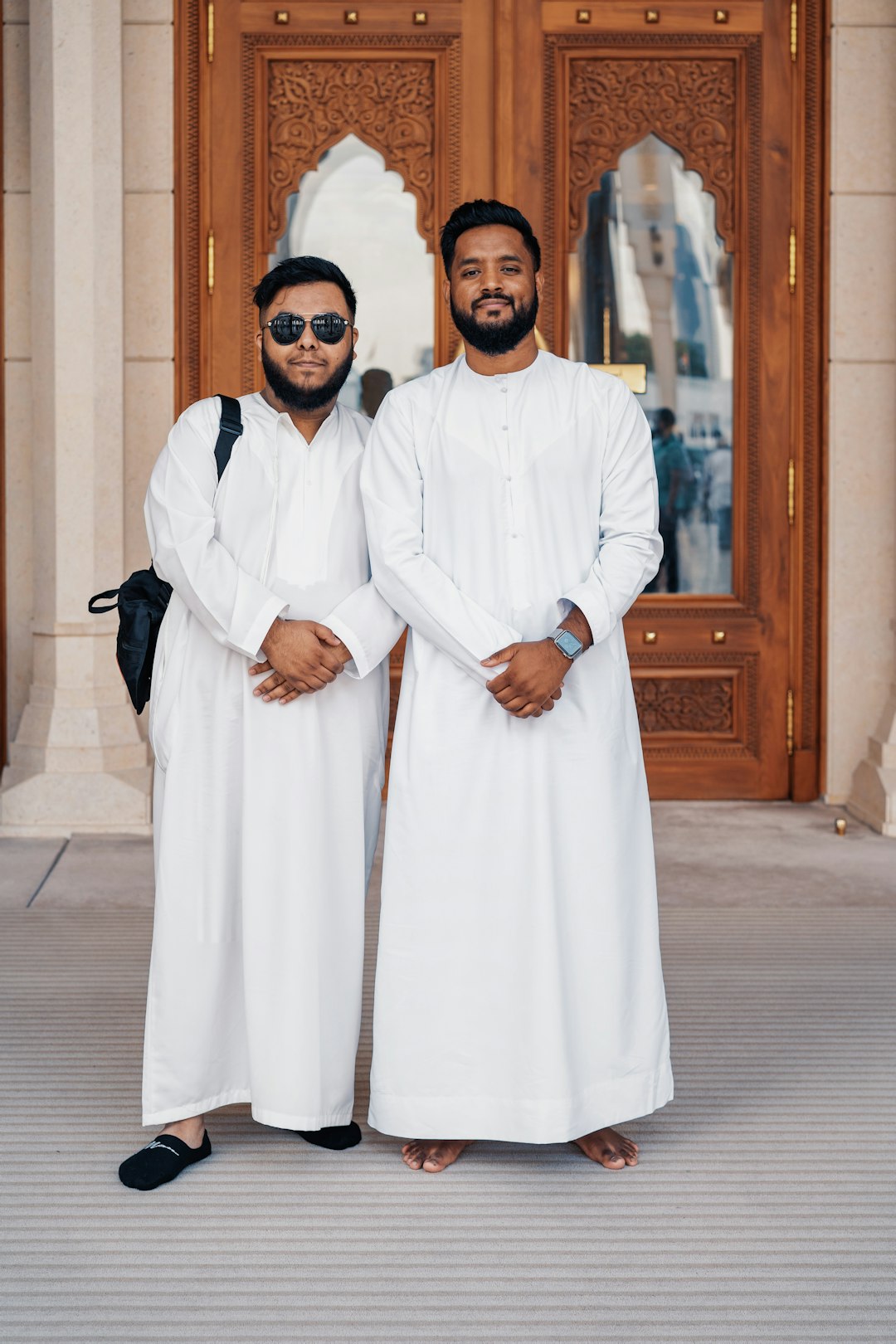
The UAE is a unique hub where traditional attire like Abayas and Kanduras meets high-end Western couture. With a growing population of expatriates and a local culture that prizes custom-made clothing, the market offers diverse opportunities. Recent trends indicate a sharp rise in specialized services, such as dedicated female tailoring spaces and premium home-visit services, which cater to the convenience-driven lifestyle of residents in Dubai and Abu Dhabi.
Key Trends Driving Growth in 2026
- Personalized Home Services: Many successful shops now offer mobile tailoring, where measurements and fittings are conducted at the client's home or office.
- Niche Specialization: There is a significant move toward specialized boutiques focusing solely on bridal wear, corporate uniforms, or traditional Emirati attire.
- Digital Integration: Customers expect seamless communication and real-time updates on their garment status, often via digital platforms.
Overcoming Operational Challenges
Starting and scaling a tailoring business in the UAE involves navigating licensing requirements and managing rising overhead costs in prime locations like Jumeirah or Dubai Design District. To maintain profitability, shops must optimize their workflow. Managing complex measurements, fabric inventory, and delivery schedules manually is becoming increasingly difficult in such a fast-paced environment.
Future-Proofing Your Tailor Shop
To succeed in the competitive UAE market tailor shop UAE scene, business owners are turning to specialized software like Khaytly. Digital tools allow shops to track customer preferences, store precise measurements securely, and manage the workflow from the initial cut to the final fitting. This level of organization is essential for maintaining the high standards expected in the UAE luxury sector. By adopting a digital-first approach, tailor shops can focus more on the art of tailoring and less on administrative bottlenecks, ensuring they capture a larger share of the growing bespoke fashion market.